FAQs
Everything You Need to Know About Healthy Cooking
What is healthy cooking?
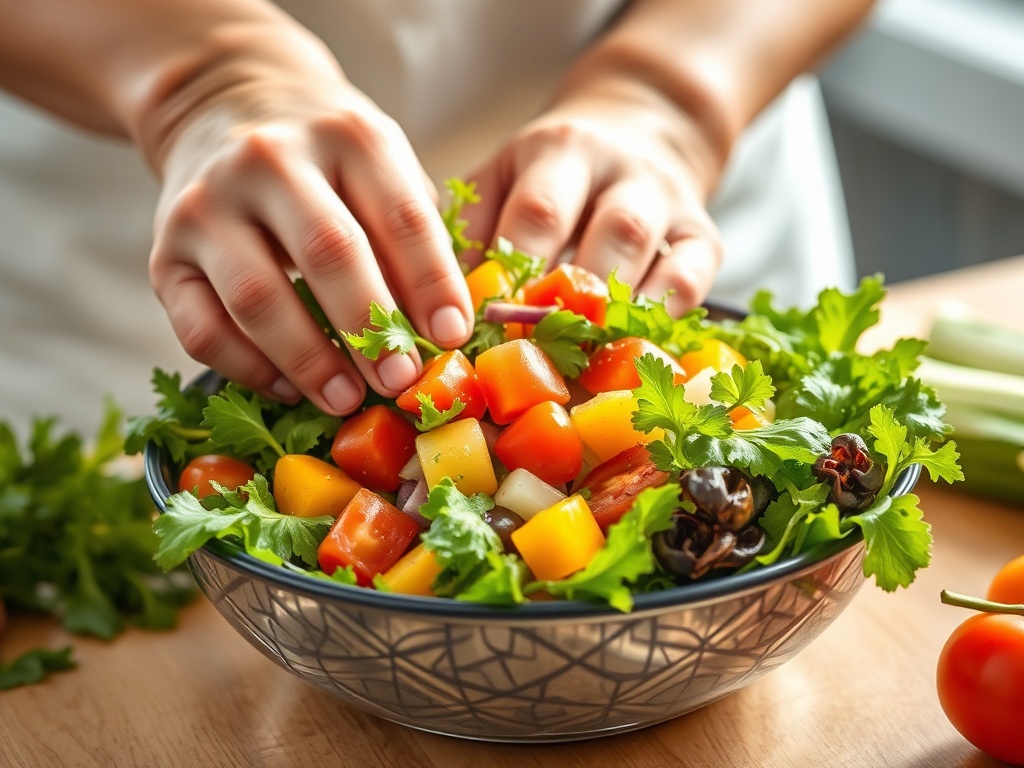
Healthy cooking transforms the way you nourish your body by using fresh, whole ingredients and mindful preparation techniques. It focuses on preserving nutritional value while creating delicious meals that support your wellness journey. Whether you're beginning your culinary adventure or refining your skills, understanding healthy cooking principles empowers you to make choices that benefit your health and taste buds equally.
Why is healthy cooking important?
Preparing meals at home with nutritious ingredients gives you complete control over what enters your body. Healthy cooking reduces reliance on processed foods loaded with excess sodium, sugar, and unhealthy fats. By mastering basic techniques and ingredient selection, you can build sustainable eating habits that contribute to a healthier lifestyle. build sustainable eating habits that prevent chronic diseases, boost energy levels, and improve overall quality of life for you and your family.
What are the key components of healthy meal preparation?
Successful healthy cooking combines balanced macronutrients, colorful vegetables, lean proteins, and whole grains into every meal. Understanding portion control, proper cooking methods like steaming and baking, and smart seasoning alternatives elevates your culinary results. Learning to read labels, source quality ingredients, and plan menus strategically creates the foundation for lifelong healthy eating habits.
How do I prepare vegetables without losing nutrients?
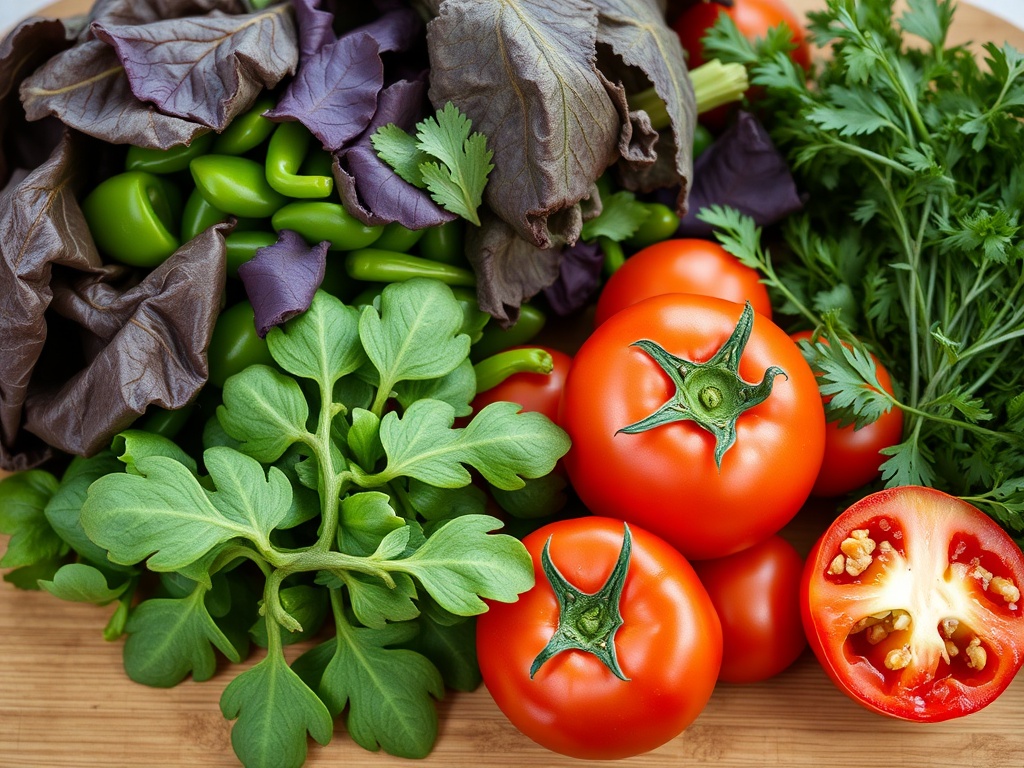
Cooking methods matter tremendously when preserving vitamins and minerals in vegetables. Steaming, stir-frying quickly over high heat, and gentle roasting maintain nutritional content better than boiling. Raw vegetables retain maximum nutrients, while slow cooking works best for certain preparations. Understanding timing, temperature control, and minimal water usage ensures your vegetables deliver maximum health benefits.
What are the best protein sources for healthy eating?
Quality protein sources include lean poultry, fish rich in omega-3s, legumes, nuts, seeds, and eggs. Plant-based options like tofu, tempeh, and chickpeas provide complete nutrition for vegetarians and vegans. Varying your protein sources throughout the week ensures diverse micronutrient intake. Each option offers unique benefits, from heart health to muscle maintenance, supporting your wellness goals.
How can I make healthy cooking convenient?
Meal prep strategies dramatically simplify healthy eating during busy weeks. Batch cooking proteins, chopping vegetables in advance, and preparing whole grains saves valuable time. Investing in quality kitchen tools, maintaining an organized pantry, and planning menus weekly removes barriers to healthy choices. Simple techniques like one-pot meals and sheet pan dinners combine nutrition with convenience.
Ready to transform your kitchen and master healthy cooking?
What cooking methods are healthiest?
Cooking techniques significantly impact nutritional value and flavor development. Steaming, baking, grilling, and stir-frying with minimal oil preserve nutrients while building complex flavors. Avoid deep frying and excessive boiling which depletes vitamins. Sous vide, pressure cooking, and air frying offer modern alternatives that retain moisture and nutrition while reducing cooking time substantially.
How do I balance nutrition in daily meals?
Creating balanced plates involves filling half with vegetables, one quarter with lean protein, and one quarter with whole grains. Include healthy fats from avocado, nuts, or olive oil. Track micronutrients like iron, calcium, and vitamin C to ensure complete nutrition. Understanding macronutrient ratios helps you customize meals to your personal health goals and dietary requirements.
What ingredients should every healthy kitchen always have?
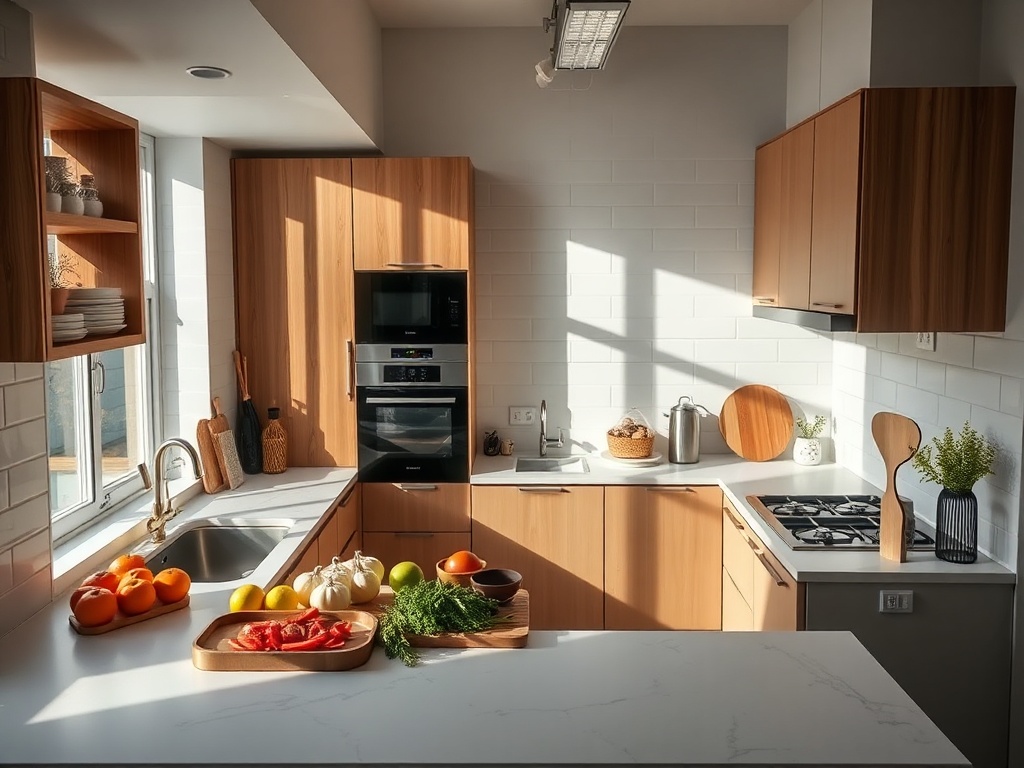
Essential staples include extra-virgin olive oil, various vinegars, herbs and spices, canned beans, whole grains, and frozen vegetables. Keep fresh garlic, onions, and citrus fruits readily available. High-quality sea salt, nuts, seeds, and whole grain pasta form your nutritional foundation. Building a well-stocked pantry with these items enables quick preparation of countless healthy meals.
How do I meal plan for optimal nutrition?
Effective meal planning starts by identifying your health goals and dietary preferences. Create weekly menus balancing all food groups, then organize shopping lists accordingly. Batch cook components like grains and proteins to streamline daily preparation. Leave flexibility for adjustments while maintaining nutritional targets. Planning reduces waste, saves money, and removes daily guesswork about healthy eating.
What snacks support healthy eating goals?
Nutritious snacks include Greek yogurt, raw nuts, fresh fruit, hummus with vegetables, and homemade energy balls. Avoid packaged options high in sugar and additives. Prepare snack portions in advance for convenient, healthy choices throughout the day. Strategic snacking stabilizes blood sugar, prevents overeating at meals, and provides sustained energy for work and fitness activities.
How can families embrace healthy cooking?
Involve children in meal preparation, gardening, and food selection to build lifelong healthy habits. Serve family-style meals encouraging discussion about nutrition and flavors. Plan activities around cooking together, making health education enjoyable and engaging. Gradually introducing new ingredients and techniques normalizes healthy eating within your family culture.
Master healthy cooking with expert guidance
Join our comprehensive online course today