
Master the Art of Diabetes-Friendly Cooking
Discover practical kitchen strategies and recipes designed to help you maintain balanced blood sugar through whole, unprocessed ingredients and mindful meal preparation.
The information on this site is for educational purposes only and does not constitute medical advice. Always consult a qualified healthcare professional before making health decisions.
Quick Nutrition Insight
Pair carbohydrates with protein and healthy fats in every meal to slow glucose absorption and maintain steadier energy levels throughout the day.
Core Cooking Principles for Blood Sugar Balance
These six pillars form the foundation of our approach to helping you prepare meals that support stable energy and overall wellness.
Whole Food Focus
Emphasize unprocessed ingredients—vegetables, legumes, whole grains, nuts, and fresh proteins. These foods contain fiber and nutrients that slow digestion and prevent rapid blood sugar spikes.
Balanced Macronutrients
Combine protein, healthy fats, and fiber-rich carbohydrates in every meal. This balanced approach helps moderate glucose release and keeps you feeling satisfied for longer.
Hydration & Herbal Support
Water is essential for digestion and metabolic function. We explore herbal teas and beverages that support wellness without refined sugars or artificial additives.
Meal Timing & Portion Control
Eating at regular intervals and maintaining consistent portion sizes helps regulate energy and blood sugar throughout the day. Learn how to structure your eating pattern for success.
Fiber-Rich Ingredients
Vegetables, seeds, whole grains, and legumes provide dietary fiber that slows carbohydrate absorption. We show you how to build fiber into every meal naturally.
Cooking Methods That Preserve Nutrients
Steaming, roasting, and gentle sautéing preserve vitamins and minerals better than prolonged boiling. Discover techniques that keep food both nutritious and delicious.
5-Step Meal Planning Workflow
Transform how you approach meal preparation with our proven framework for planning, shopping, and cooking.
Set Your Goals
Define what you want from your cooking—energy stability, simplified meal prep, learning new recipes, or exploring Italian wellness ingredients. Clear goals guide your ingredient selection.
Learn moreBuild Your Menu
Select 3-5 meals per week from our recipe library. Focus on meals with balanced macros and whole ingredients. Plan breakfasts, lunches, dinners, and healthy snacks for variety without decision fatigue.
Browse recipesCreate Shopping List
Compile ingredients from your chosen recipes into an organized list. Group items by produce, proteins, grains, and pantry staples. Look for seasonal, local Italian ingredients when possible for freshness and cost savings.
Pantry guidePrep Ingredients
Set aside 1-2 hours for ingredient prep: wash vegetables, portion proteins, cook grains in bulk, and prep sauces. Smart prep reduces daily cooking time and keeps you on track throughout the week.
Prep strategiesCook & Store
Prepare meals using proper cooking methods to preserve nutrients. Store portions in glass containers for up to 4 days in the refrigerator. Label with dates and contents for easy identification and safety.
Recipe collectionReflect & Adjust
Each week, note what worked well and what you'd like to change. Rotate recipes to prevent boredom. Gradually expand your cooking skills and confidence with new techniques and ingredients.
Common questionsWhy Whole-Food Cooking Matters
Compare the impact of home-cooked meals with whole ingredients versus processed alternatives.
Home-Cooked with Whole Ingredients
- Fiber intact: Whole vegetables and grains retain all dietary fiber for stable blood sugar
- No hidden sugars: You control every ingredient and preparation method
- Nutrient density: Minimal processing preserves vitamins, minerals, and phytonutrients
- Cost-effective: Buying whole ingredients in season reduces expense
- Skill building: Home cooking develops confidence and autonomy
- Steady energy: Balanced, whole-food meals support consistent energy throughout the day
Processed/Ultra-Convenient
- Fiber removed: Processing strips beneficial fiber, causing rapid blood sugar spikes
- Hidden sugars & additives: Added sweeteners and chemicals not visible on labels
- Nutrient depletion: Heat and long storage reduce vitamin and mineral content
- Often more expensive: Pre-packaged convenience carries premium pricing
- Passive consumption: Limited learning or connection to food source
- Energy crashes: Refined ingredients cause rapid spikes followed by energy dips
Stock Your Pantry for Success
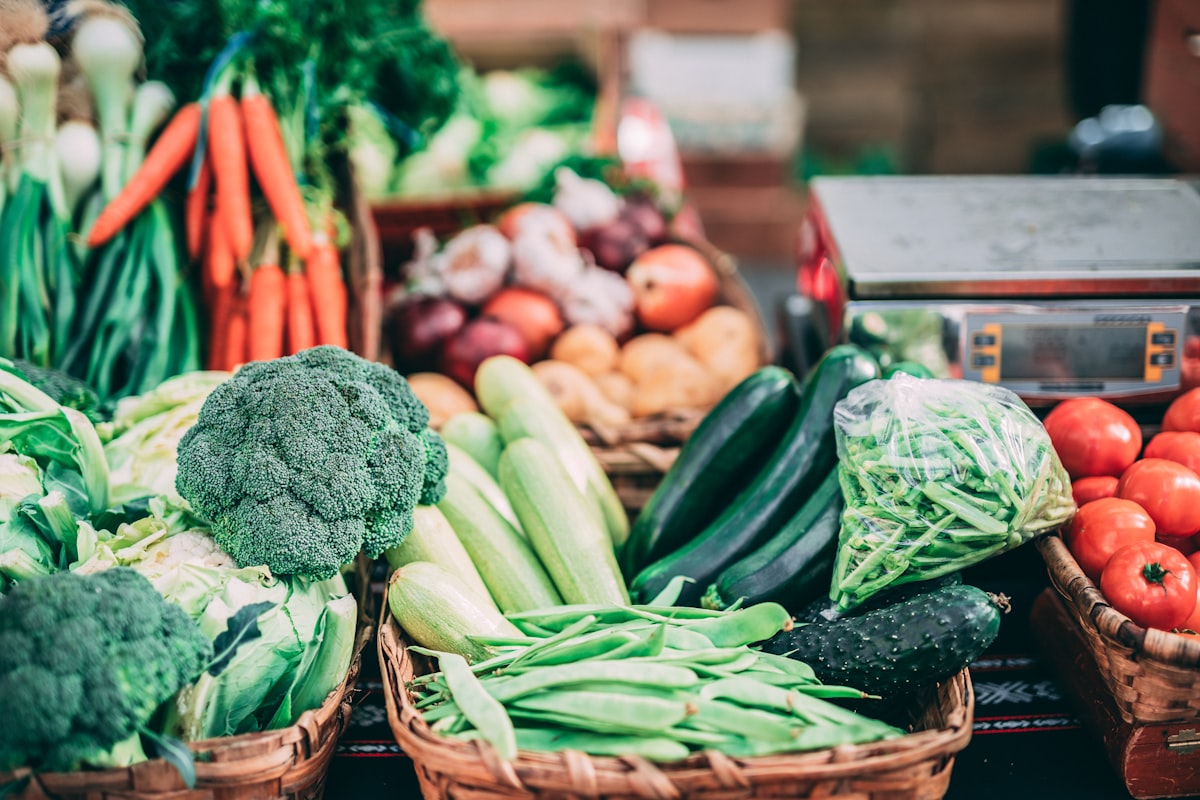
Building a well-organized pantry with the right ingredients makes meal preparation faster and more enjoyable. Focus on whole, minimally processed items that support stable blood sugar and sustained energy.
Vegetables & Produce
Fresh leafy greens, colorful vegetables, herbs, garlic, and ginger. Aim for variety to ensure a wide range of nutrients in your meals.
Whole Grains & Legumes
Brown rice, quinoa, lentils, chickpeas, whole wheat pasta. These provide sustained energy and important fiber and minerals.
Proteins
Eggs, fish, poultry, legumes, nuts, and seeds. Include a variety to keep meals interesting while ensuring balanced macronutrients.
Healthy Fats & Oils
Extra virgin olive oil, nuts, seeds, avocados. These provide satiety and support nutrient absorption.
Pantry Staples
Spices, vinegars, low-sodium broths, tomato paste, and canned beans. These enhance flavor without added sugars or unhealthy fats.
Cooking Methods That Preserve Nutrition
Learn which preparation techniques best maintain vitamins, minerals, and beneficial compounds in your food.
Steaming
Best for: Vegetables, fish, poultry. Steaming uses gentle heat and moisture, preserving heat-sensitive vitamins like vitamin C and B vitamins while avoiding added fats.
Tip: Keep steaming time short (5-15 minutes) to maintain texture and nutrient content. Vegetables should be tender-crisp, not soft.
Roasting
Best for: Vegetables, root vegetables, poultry. High-heat roasting concentrates flavors and develops nutrients. Use moderate temperatures (375-425°F) to minimize nutrient loss.
Tip: Coat lightly with olive oil and herbs. The Maillard reaction creates delicious flavors without added salt or sugar.
Sautéing
Best for: Vegetables, proteins, aromatics. Quick sautéing over moderate heat preserves nutrients while enhancing flavor through caramelization.
Tip: Use extra virgin olive oil on medium heat. Keep cooking time short (3-7 minutes) for vegetables to maintain crunch and nutritional value.
Grilling & Broiling
Best for: Fish, poultry, vegetables. High, direct heat creates appealing texture and flavor. Minimal oil needed, making these healthy preparation methods.
Tip: Marinate vegetables or proteins in herbs and lemon juice before grilling. This adds flavor and helps prevent charring.
Simmering & Stewing
Best for: Legumes, tougher cuts of meat, soups. Gentle, prolonged heat breaks down proteins and fiber, making nutrients more accessible. Nutrients stay in the cooking liquid.
Tip: Use low-sodium broths and fresh herbs. This method is perfect for batch cooking and meal prep.
Raw Preparation
Best for: